


When it comes to ancient mythologies and the esoteric texts that have seeped into modern culture, few titles evoke as much intrigue and speculation as the Trusted Book Of Dead Not On Gamstop www.restaurantdh1.co.uk. This enigmatic tome has been referenced in numerous works of fiction, films, and games, yet its true nature remains enveloped in mystery. In this article, we will explore the origins of the so-called “Trusted Book of Dead Not,” the legends that surround it, and its impact on literature and culture.
The origins of the Trusted Book of Dead Not can be traced back to various ancient texts, though there is no verifiable evidence that such a book exists. The idea of a “book of the dead” is not new; ancient civilizations like the Egyptians had their own versions, such as the “Book of the Dead,” which served as a guide to the afterlife. The Trusted Book of Dead Not, however, seems to synthesize ideas from multiple cultures and mythologies, creating an aura of mystery and wonder.
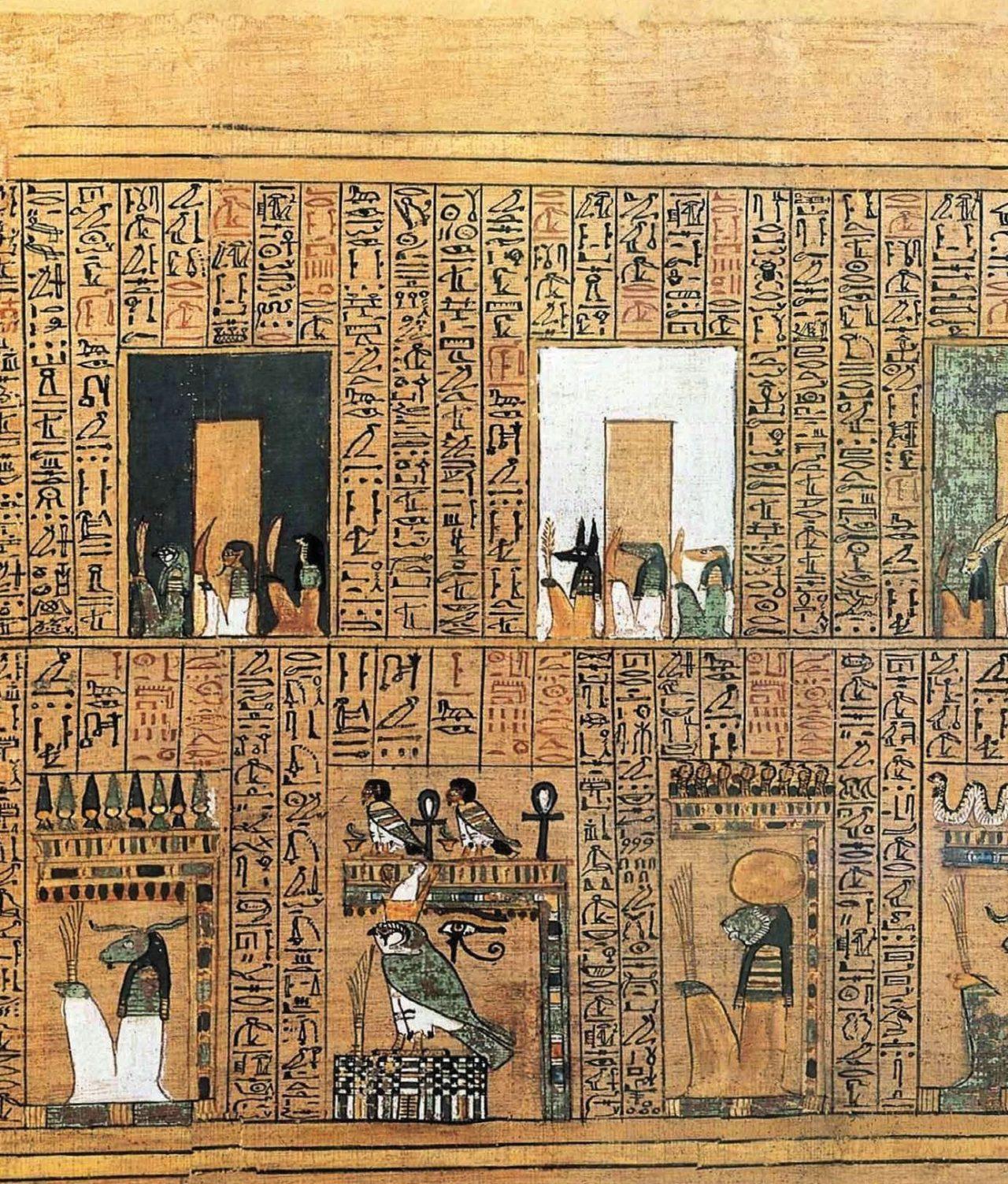
In literature, the Trusted Book of Dead Not has been mentioned sporadically, often in the context of supernatural occurrences or as a source of forbidden knowledge. It has been featured in horror novels, fantasy series, and even some modern-day thrillers. Authors play on the book’s mysterious nature to create tension and intrigue, incorporating elements of suspense and the supernatural.
One of the most notable mentions of the Trusted Book of Dead Not was in the popular novel series “Realm of Shadows,” where characters uncover the text and seek its dark knowledge. The book becomes a pivotal plot device, symbolizing not just the allure of forbidden knowledge but also the dangers that accompany it. Readers are captivated by the ambiguity of the book, wondering if it is a relic of bygone eras or simply a metaphor for our understanding of death and the unknown.
The Trusted Book of Dead Not has made its way into various forms of media, including films, television shows, and games. Its impact on pop culture cannot be understated. Many horror films utilize a “book of the dead” as a narrative device to awaken malevolent forces, often drawing loose inspiration from various mythological texts and beliefs.
For instance, in the cult classic horror series “Evil Dead,” a similar book known as the “Necronomicon” serves as the catalyst for chaos and horror. While the Necronomicon is a fictional creation of H.P. Lovecraft, its character as an ancient, dangerous text resonates with the myths surrounding the Trusted Book of Dead Not. This intertwining of myth and fiction allows for a rich tapestry of storytelling, where ancient fears and modern narratives converge.
For many, the Trusted Book of Dead Not represents more than just a simple literary device; it embodies a deeper philosophical inquiry into life, death, and the boundaries of human understanding. Within various esoteric traditions, texts that claim to hold the secrets of the afterlife or the nature of existence are revered and feared in equal measure.
Practitioners of esotericism often explore themes related to the afterlife, spiritual enlightenment, and the hidden truths of our existence. The Trusted Book of Dead Not, as an artifact of this exploration, captures the imagination as it hints at possibilities beyond our immediate understanding. This tension between reverence and skepticism creates a powerful narrative that transcends its fictional roots.
In today’s digital age, the legend of the Trusted Book of Dead Not has evolved. Online forums, social media platforms, and even websites dedicated to urban legends keep the myth alive and well. Users exchange theories, propose interpretations, and even create their own content inspired by the elusive text. This evolution reflects a continuous human fascination with the unknown, fostering a community of enthusiasts who celebrate the narrative possibilities.
The accessibility of information has led to a surge of interest in the book’s themes, encouraging people to engage with the concepts of mortality and the unknown more openly. Blogs, podcasts, and video channels delve into discussions about the Trusted Book of Dead Not, offering views that range from historical analysis to speculative fiction.
The Trusted Book of Dead Not may not exist in a tangible form, but its significance resonates in the human psyche. Its allure lies in the mystery associated with death and the afterlife, inviting us to ponder our existence and the inevitable fate we all share. By exploring the myths surrounding this enigmatic tome, we celebrate not just a fictional creation but also our innate desire to seek knowledge beyond the veil of the known.
Ultimately, the Trusted Book of Dead Not serves as a mirror reflecting our deepest fears, curiosities, and aspirations. In our quest for understanding, whether through literature, media, or esotericism, we find ourselves drawn back to tales that challenge
our perceptions of reality. Such narratives endure, reminding us that sometimes, it is the questions we ask—and the mysteries that remain unsolved—that truly enrich our lives.